
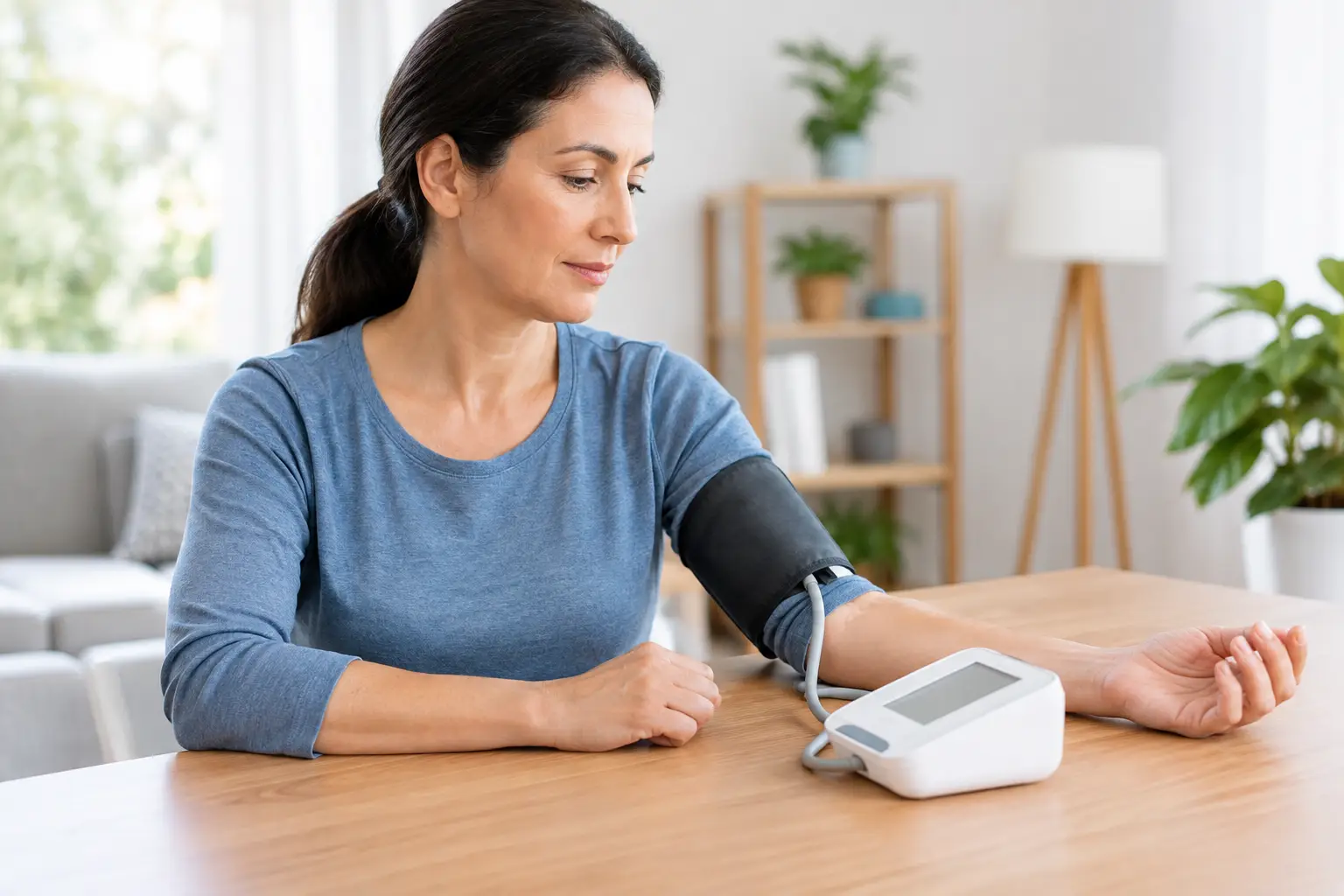
A single blood pressure reading can be useful, but it is rarely the full story. Blood pressure changes throughout the day with activity, stress, sleep, meals and medicines. Knowing how to monitor blood pressure at home properly gives you and your doctor a clearer picture than an isolated reading taken when you are rushing between work, family and appointments.
Home monitoring is especially helpful if you have been told your blood pressure is high, are taking blood pressure medicine, are pregnant, or have conditions such as diabetes, kidney disease or high cholesterol. It can also reassure people whose readings rise in a clinic because they feel anxious. The aim is not to check constantly. It is to collect calm, consistent readings that can guide sensible care.
Choose a monitor you can trust
An automatic upper-arm monitor is usually the best choice for home use. Wrist and finger monitors can be convenient, but they are more sensitive to positioning and may be less reliable. Look for a monitor that has been independently validated for accuracy, and make sure the cuff fits your upper arm correctly. A cuff that is too small or too large can give a misleading result.
If you are unsure which device to buy, bring the monitor to your next consultation. Your doctor or clinic team can check that the cuff is suitable and compare its readings with a clinic monitor. This is particularly worthwhile for older adults, people with a larger arm circumference, and anyone whose readings seem inconsistent.
You do not need the most expensive device. A validated upper-arm monitor with a clear display and a correctly sized cuff is usually more valuable than extra features you will not use. If memory storage helps you keep a reliable record, it may be useful, but a written log or mobile phone note works just as well.
How to monitor blood pressure correctly
Good technique matters as much as the monitor itself. A reading taken immediately after climbing stairs, drinking coffee or discussing a stressful call may be higher than your usual pressure. Before measuring, avoid exercise, smoking, caffeine and alcohol for around 30 minutes where possible. Empty your bladder, then sit quietly for five minutes.
Sit on a chair with your back supported and both feet flat on the floor. Do not cross your legs. Rest your arm on a table so the middle of the cuff is roughly level with your heart. Place the cuff on bare skin, not over a shirt sleeve, and keep still and silent while the monitor is working.
Take two readings, about one minute apart, and write down both. If they are very different, take a third reading and record that too. It is normal for the first reading to be slightly higher because you are settling into position. Do not keep repeating measurements until you see a number you like. That can increase worry and make the result less useful.
For many people asked to monitor at home, checking in the morning before breakfast and medicines, and again in the evening before bed, provides a helpful pattern. Do this for seven days unless your doctor has advised a different schedule. Try to measure at similar times each day. If you only need occasional checks, a few readings on different days are more informative than several readings taken within one anxious afternoon.
Record the context, not just the number
Blood pressure is written as two numbers. The upper number, systolic pressure, is the pressure when the heart pumps. The lower number, diastolic pressure, is the pressure when the heart relaxes between beats. For example, 128/78 mmHg is read as “128 over 78”.
A useful log should include:
- the date and time of each reading
- both blood pressure numbers and your pulse, if shown
- whether you took two or three readings
- any symptoms, such as dizziness, headache, chest discomfort or breathlessness
- relevant details, such as a missed dose of medicine, poor sleep, illness or unusual stress
This information helps your doctor see patterns. For example, readings that are consistently raised before morning medicine may need a different discussion from readings that rise only after a poor night’s sleep.
What is a normal home blood pressure reading?
There is no single target that applies to everyone. Age, pregnancy, frailty, medical history and medicines all matter. As a general guide, a home average of 135/85 mmHg or above is often considered raised and should be discussed with a doctor. A clinic reading may be interpreted differently because blood pressure can be higher in a medical setting.
One slightly high reading is not usually a reason to panic. Look at the average over several days, using good technique. On the other hand, do not dismiss repeatedly raised readings simply because you feel well. High blood pressure often causes no obvious symptoms, while quietly increasing the risk of heart disease, stroke, kidney problems and eye disease over time.
Your doctor may set a lower or higher individual target if you have diabetes, kidney disease, heart disease, previous stroke, or are pregnant. Older patients may also need a plan that balances blood pressure control against the risk of dizziness or falls. This is why changing your own medicines based on a few readings is not advisable.
When a reading needs prompt medical attention
If you get a reading of 180/120 mmHg or higher, sit quietly for five minutes and repeat it. If it remains this high, seek urgent medical advice the same day, even if you feel well. Do not wait for your next routine review.
Call emergency services immediately if a very high reading comes with chest pain, severe breathlessness, new weakness or numbness, difficulty speaking, confusion, fainting, a severe sudden headache, or changes in vision. These symptoms need urgent assessment. In Singapore, call 995 for an emergency ambulance.
Lower readings can also matter. If your pressure is repeatedly low and you feel faint, weak, unsteady or confused, arrange a medical review. This is particularly important after starting or changing blood pressure medicines, during vomiting or diarrhoea, or if you are not drinking enough fluids.
Make home monitoring part of ongoing care
Bring your blood pressure log and monitor to appointments rather than trying to remember the numbers. This allows your doctor to review your average readings, check your technique and consider the wider picture, including diet, activity, sleep, stress and medication side effects.
Do not stop, skip or double a prescribed dose because of one result. Some medicines take time to show their full effect, and blood pressure can vary naturally from day to day. If you are getting troublesome side effects, such as persistent dizziness, ankle swelling or a troublesome cough, speak with a doctor instead of making changes alone.
For families in Bedok North, regular monitoring can turn a vague concern into a practical conversation with a familiar primary-care doctor. Whether your readings are reassuring or need attention, a clear record gives you a calmer starting point: not just a number on a screen, but information that can help protect your health over the years ahead.
This article is general health information and does not replace a consultation with a doctor. If you are worried about your symptoms, please see a doctor. In an emergency, call 995.
← All articles